 OUTFIT
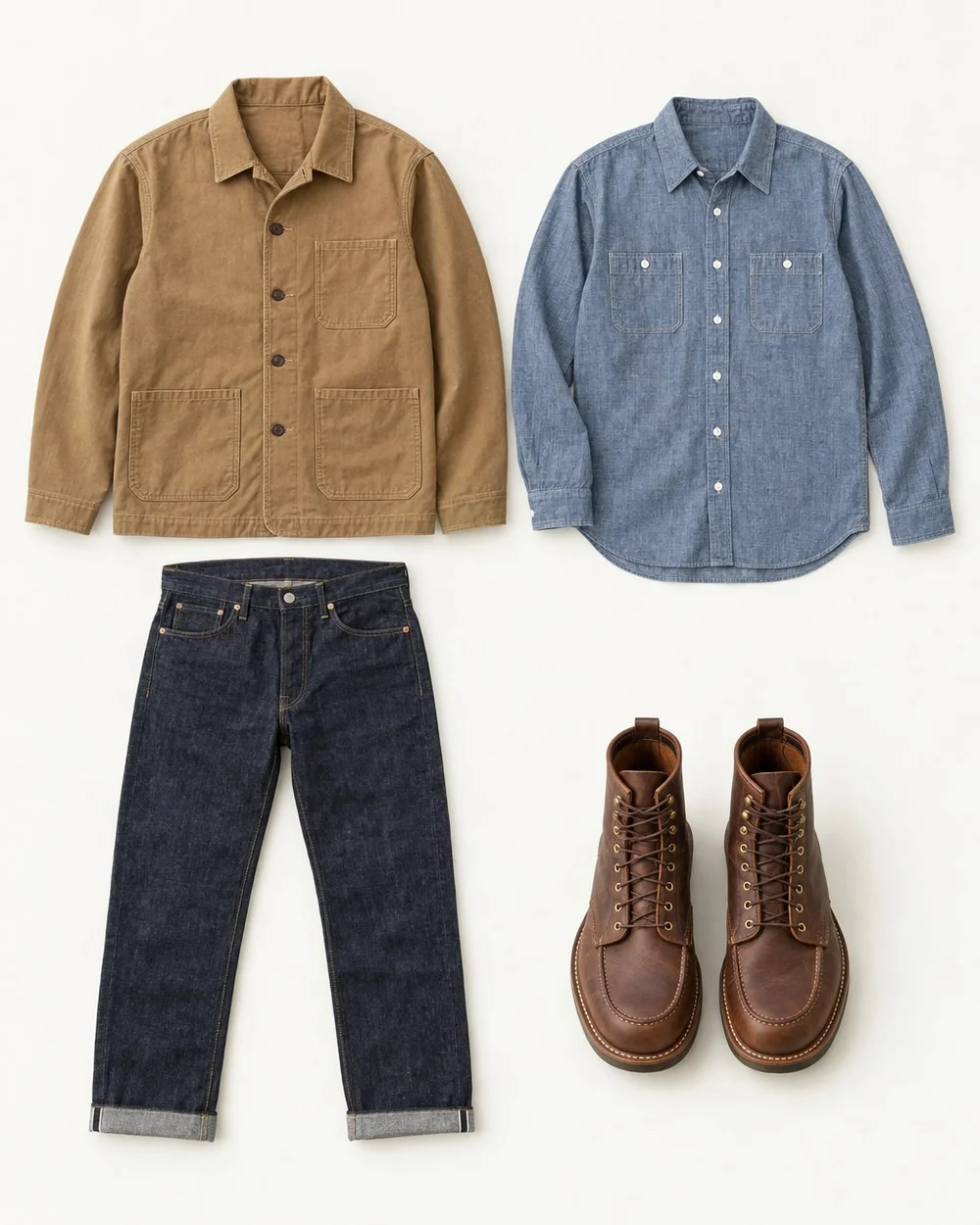
Business travel often combines a journey, several meetings, and a dinner with different expectations. Packing becomes easier when each garment has a scheduled job. This example assumes three workdays, two travel periods, a workplace accepting interchangeable separates, and one dinner that does not require separate formal clothing.
Write the itinerary’s clothing demands
Check invitations, workplace guidance, and the activities between meetings. A site visit may require footwear or protective clothing unlike an office meeting. Ask the organizer when necessary instead of treating business travel as one universal dress code.
Identify whether transit happens on a meeting day. If it does, choose a travel outfit you can reasonably wear to the first appointment or allow time to change. Consider how the clothes look after sitting and whether the hotel offers suitable care facilities. An unfamiliar venue is not the best place to discover that your only shirt needs specialist attention.
Use a reconciled core inventory
The core below contains seven clothing pieces and two shoe pairs. It includes travel clothing, so it is not seven pieces packed in addition to what you wear. Underwear, socks, sleepwear, weather protection, and specialized work items are separate.
| Category | Count | Job |
|---|---|---|
| Work tops | 3 | One for each workday |
| Work bottoms | 2 | Rotate according to condition |
| Jacket or accepted work layer | 1 | Use with both bottoms |
| Casual travel or evening top | 1 | Relaxed time outside meetings |
| Shoes | 2 pairs | Work pair and walking/travel pair |
Swipe or scroll to read the full table.
Assign outfits and a fallback
Day one can use top A, bottom A, and the jacket. Day two uses top B and bottom B; day three uses top C with whichever bottom remains in suitable condition. The casual top works with a bottom after meetings, so it does not require separate casual pants.
Try every top with the jacket before departure. A collar that fits badly under the lapel or sleeves that bunch will not improve in the suitcase. If a spill or long hot commute would leave no usable top, add a backup and call the count eight. Explicitly increasing the count is more honest than hiding an extra shirt in the list.
Prepare the garments and the bag
Inspect clothes and shoes, then follow their care guidance. Choose a packing method that suits the fabric and any hotel facilities you can confirm. Allow time on arrival to unpack items that need it; do not rely on an unverified iron or steamer.
Check the full bag, including work equipment and toiletries, against your carrier’s allowance. Heavy laptops and extra shoes can matter more than one shirt. Carry the information needed for your appointments, and plan a weather layer if the route requires one. If dinner has a separate dress code, add a complete suitable outfit rather than assuming an accessory change will satisfy it.
Common questions.
Should I pack a fresh suit for each day?
Not automatically. The right number depends on your role, meeting requirements, climate, and how the clothes remain after use. Separates may cover several days where permitted, but a formal or specialized itinerary may need a different list. Ask about expectations before making the packing plan.
Is one pair of shoes enough?
It can be if that pair works for meetings, travel, and all walking involved. Test it beforehand. Two pairs are an example allowance, not a requirement. If you carry only one, check the consequences of wet weather or discomfort and decide whether the saved space is worthwhile.
Put your wardrobe to work.
Outfit Maker brings your own clothes, useful combinations and everyday plans together. Made for iPhone.
See how outfit planning works