 OUTFIT
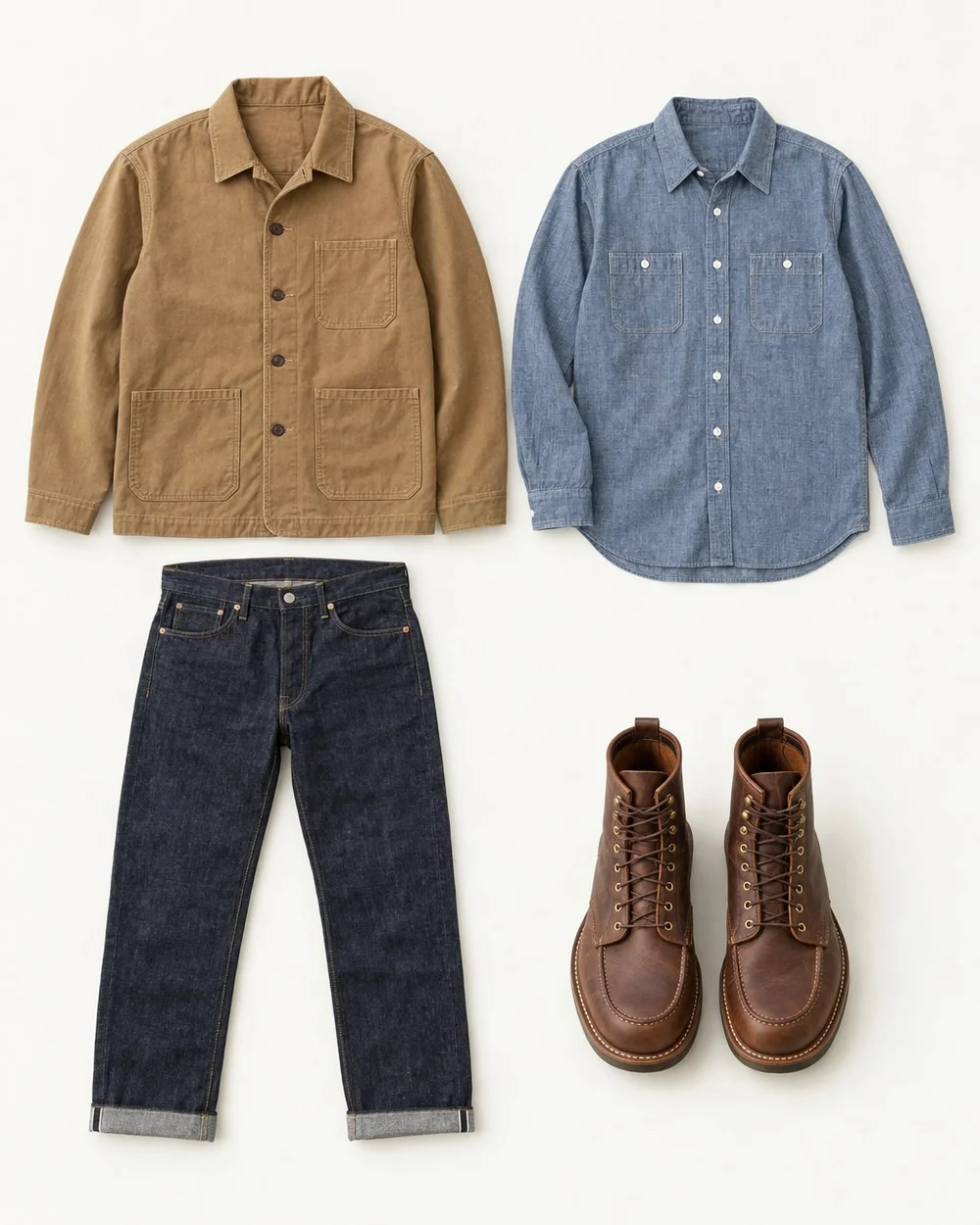
Changing seasons often create days that begin cool and end warm, or feel mild outside but chilly in a building. Instead of replacing your wardrobe, identify the layers that help familiar outfits adapt. The best transition combination lets you remove something without leaving an incomplete or uncomfortable base outfit.
Plan for the temperature changes you encounter
Consider the early commute, midday activity, evening return, and indoor settings separately. A day mostly inside needs a different plan from one spent outdoors. Check the local forecast close to the day, including rain, instead of building the outfit around an average seasonal expectation.
Start with a base top that works on its own. If removing the cardigan exposes straps or coverage you do not feel comfortable wearing in that setting, choose another underlayer. A successful layering outfit should remain useful at each stage, not only when every piece is on.
Reuse warm-weather pieces thoughtfully
Some summer pieces can continue into cooler days with another layer. A T-shirt can sit under a cardigan; a dress can work with a jacket and suitable footwear. Others may be less useful if the fabric or coverage does not suit the expected conditions.
For example, take navy pants, a white T-shirt, a green cardigan, and loafers. In the cool morning, add a light outer jacket if needed. During a warmer afternoon, the T-shirt and pants remain a complete outfit. Try carrying the cardigan and jacket before deciding both belong in a day when you will be moving between places.
Use four complete layer combinations
These formulas cover different wardrobe preferences. Choose them according to your climate and activities, then test with your actual outerwear.
- Jeans, long-sleeve shirt, light jacket, and familiar sneakers.
- Midi skirt, simple top, cardigan, and comfortable flat boots.
- Tailored pants, fine knit, removable outer layer, and loafers suited to the conditions.
- Casual dress, soft cardigan, weather-appropriate jacket, and familiar flats.
Inspect the interactions between layers
Put the outfit on in the order you will wear it. Check that sleeves do not bunch, collars do not fight for space, and the jacket moves comfortably over the inner layer. A thin knit under a roomy coat may work better than several thick pieces that restrict your shoulders.
Check the shoes and hems too. A summer hem that clears sandals may drag with flat boots, and a shoe you like in dry weather may be unsuitable for a wet route. Save a note with the outfit explaining its useful conditions, such as cool commute with warm office. That makes seasonal rotation a practical set of choices rather than a blanket change on a calendar date.
Common questions.
Do I need a separate fall capsule?
Not necessarily. Review the clothes you already wear and identify which layers extend their usefulness. You may need a specific weather item if none of your existing options meet the conditions, but first test familiar combinations. A seasonal label is not a reason to replace usable clothes.
Can I keep wearing lighter colors in fall?
Yes. Color does not determine warmth or weather protection. Light pants or a cream knit can work when their fabric, care needs, and layering suit the day. Choose colors you enjoy and consider practical conditions, such as wet streets, rather than treating dark colors as a seasonal requirement.
Put your wardrobe to work.
Outfit Maker brings your own clothes, useful combinations and everyday plans together. Made for iPhone.
See how outfit planning works