 OUTFIT
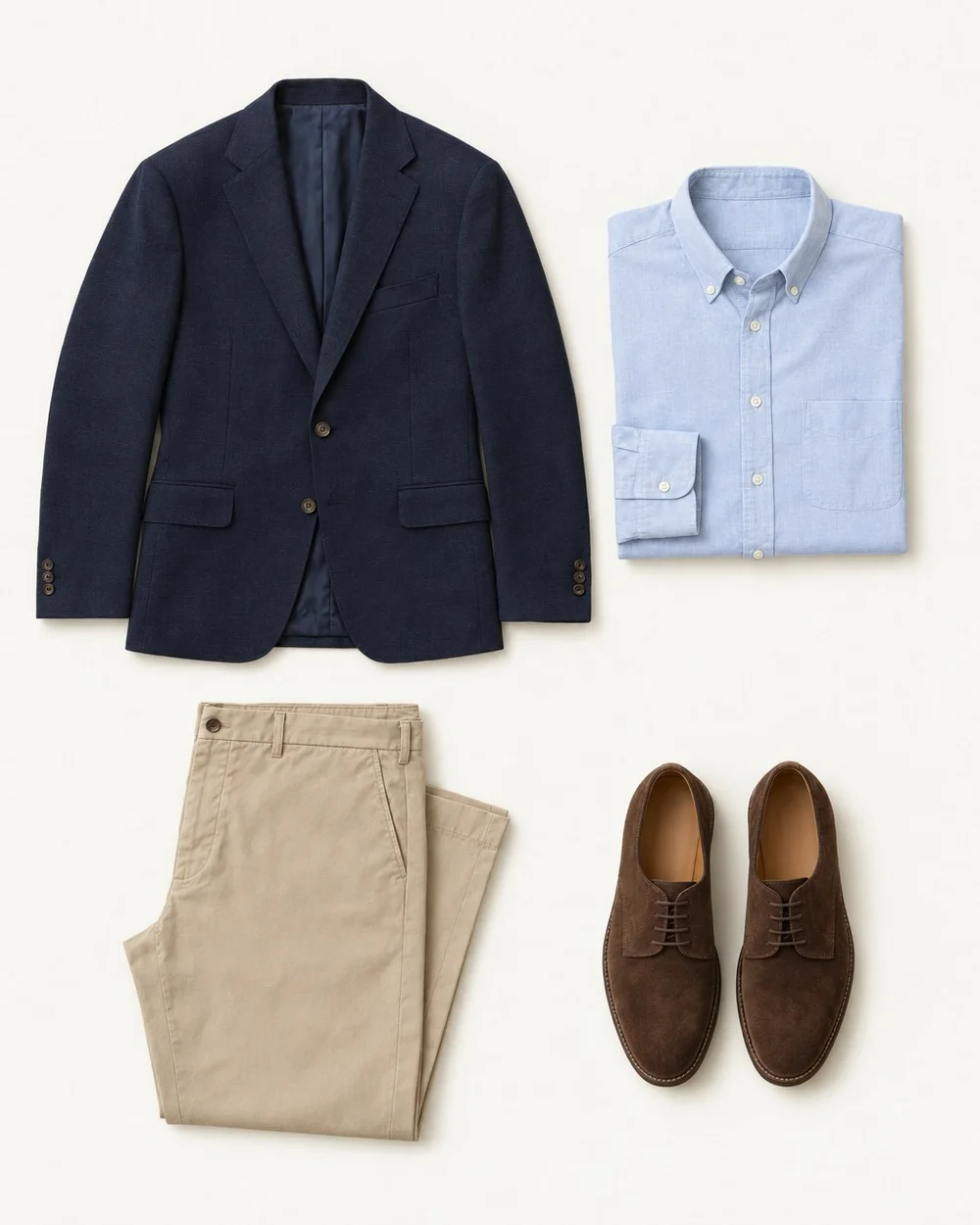
The extra outfit often enters the bag with the words “just in case.” Sometimes it earns its place. Often it is there because nothing else has been tried on together. For a three-day trip, start with a few complete outfits and the activities they need to handle. Pack the clothes you enjoy wearing at home, adjusted for where you are going.
Give the trip a simple brief
This example is for a Friday-to-Sunday city break with walking, a casual dinner, and mild weather that may turn cool or damp. It is not a universal list. A wedding, hiking trip, beach weekend, or destination with a strict dress code needs a different set of clothes.
Check the forecast near departure, including the evening temperature and chance of rain. Then list any activity that genuinely requires something different. A specific dinner reservation is a reason to check the dress code. An imagined invitation is usually a less useful packing instruction.
Choose a small, connected set
Pull these from your own wardrobe, substituting pieces that suit your style and destination. The list includes what you wear while travelling; it is not all going inside the bag. Pick trousers and shoes you already know are comfortable over a long day.
- Two bottoms: one comfortable pair of jeans and one pair of relaxed trousers.
- Three tops: two fresh everyday tops and one shirt that can be worn on its own or open as a light layer.
- One warm layer: a cardigan or knit that works with both bottoms.
- One outer layer appropriate to the forecast, such as a rain jacket if rain is expected.
- One pair of comfortable walking shoes; add a second pair only for a real activity or dress requirement.
- Fresh underwear and socks for each day, with a spare if useful; sleepwear and any other personal essentials.
- A bag you can carry comfortably, toiletries, medication, chargers, and the travel documents your trip requires.
Build the three days before you pack
Try each combination on once. Check that the outer layer fits over the knit and that both bottoms work with your walking shoes. A bag full of compatible colours can still contain uncomfortable waistbands or hems that drag.
- Friday travel and exploring: jeans, first everyday top, walking shoes, with the warm layer or jacket as needed.
- Saturday daytime: relaxed trousers, second everyday top, walking shoes. Carry the layer the forecast calls for.
- Saturday dinner: keep the trousers and change into the shirt. Use the same shoes if they suit the venue; otherwise the planned second pair earns its space.
- Sunday: jeans with the shirt, if both are fresh enough to rewear. Alternatively, use a clean everyday top saved for the journey home.
Make the weather adjustment explicit
For a hot or humid trip, three tops may not be enough if you expect to sweat or change for dinner. Add a fresh top rather than assuming you will comfortably rewear one. For cold weather, replace the light layers with appropriate insulation and choose shoes for the conditions. Your warmest piece can travel on you if that is comfortable.
Rain protection should match the forecast and your plans. A light shower on a short walk is different from spending hours outside. Check what your own jacket and shoes are suitable for, and choose accordingly. A smaller bag is not worth being cold, wet, or unable to enjoy the trip.
Be honest about laundry and the spare
This example assumes no laundry during the weekend. Airing something can help it feel fresher, but it does not make a soiled garment clean. Rewear only when the condition of the piece and your comfort allow it. If you plan to wash something, confirm access to laundry and allow enough drying time; a damp top on checkout morning is not a useful backup.
Choose the spare that solves your most likely problem. That might be a top after a warm travel day, extra socks after rain, or clothing for a child-related spill. It rarely needs to be an entire second version of the trip.
Before closing the bag, name the outfit each garment belongs to. If a piece has no day, activity, or practical purpose, set it aside and reconsider. Keep whatever genuinely helps you feel comfortable and prepared. The right amount is the amount that lets you enjoy being away.
Put your wardrobe to work.
Outfit Maker brings your own clothes, useful combinations and everyday plans together. Made for iPhone.
See how outfit planning works