 OUTFIT
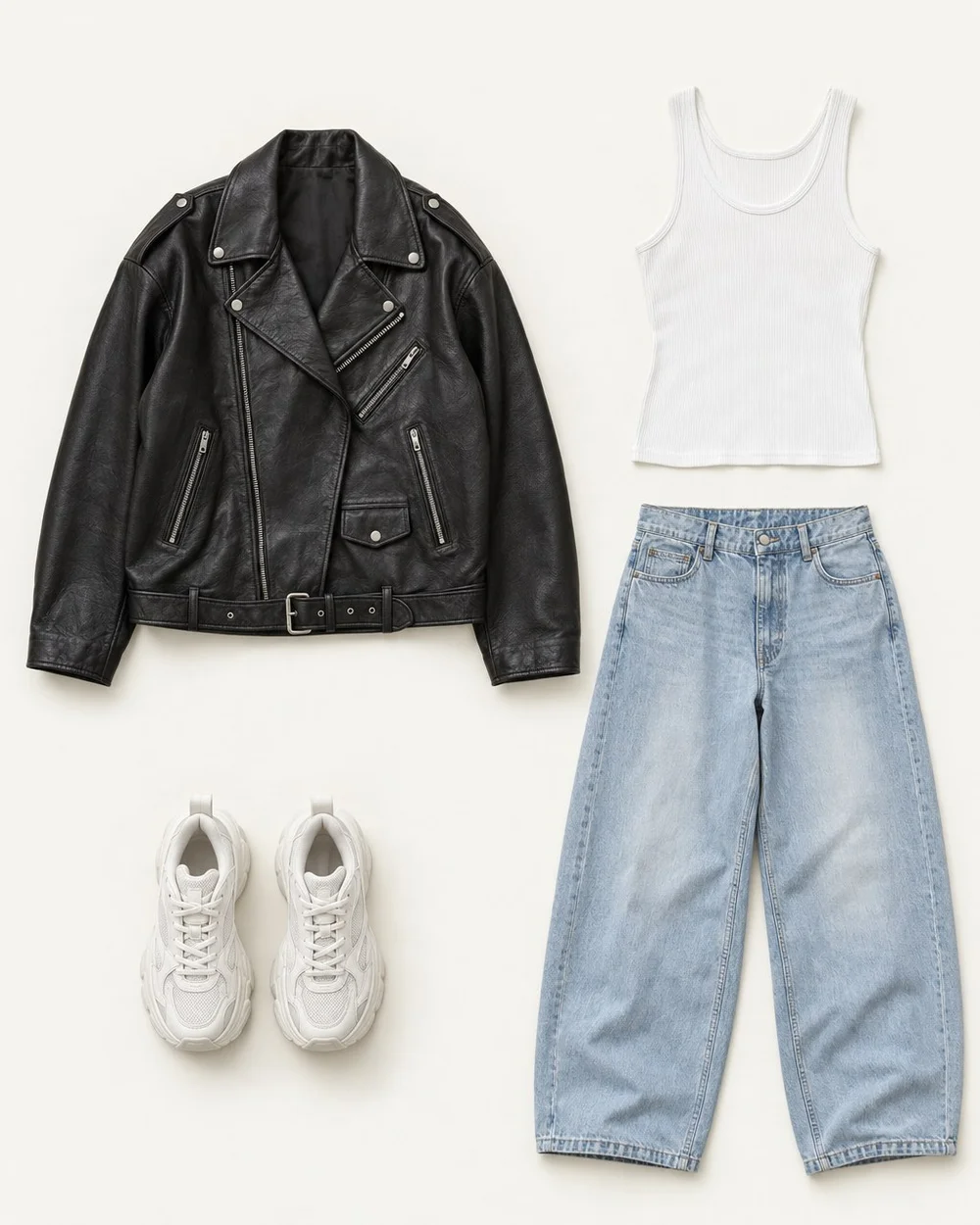
An outfit can look relaxed in a photograph yet feel awkward after stairs, transit, and a long afternoon outside. City-break planning works best when walking comfort leads the choices. You can still enjoy how the clothes look; simply test them as a complete system with the shoes, bag, and layers you will use.
Choose the shoes before the silhouette
Use footwear that has worked during comparable walking rather than relying on a new pair for the trip. Check the shoes with your intended socks, including slipping, rubbing, and support you personally need. Do not assume every sneaker or flat is comfortable for every wearer.
Then try each bottom with the shoes. Wide hems may catch, a narrow skirt may restrict stride, and a long dress may brush wet pavement. Choose pieces that move easily for your itinerary. If an outfit works only with slower walking or constant adjustments, reserve it for a shorter evening outing.
Build a three-day example
For a three-day mild-weather break, try three tops, two bottoms, and two layers, with one trusted shoe pair. This is seven main clothing pieces plus shoes, including transit clothing. Underwear, socks, sleepwear, and other essentials are separate.
The shirt and pants can also cover an informal dinner. Inspect whether the repeated garments remain in suitable condition before counting on that reuse. Change the schedule when conditions or activities call for it.
| Day | Base outfit | Layer |
|---|---|---|
| One | Jeans and T-shirt | Cardigan |
| Two | Pants and shirt | Light jacket |
| Three | Jeans and fine knit | Whichever tested layer suits the weather |
Swipe or scroll to read the full table.
Use a layer plan with practical limits
Choose layers that can be carried without taking over your bag. A cardigan may cover cool interiors, while a light weather-appropriate jacket handles outdoor conditions. Neither is automatically sufficient for heavy rain or a cold destination, so adjust the list before leaving.
Try the layers over every planned top. Check pockets, bag straps, and whether the outer jacket restricts movement over the cardigan. If you will remove a layer repeatedly, decide where it will go. Wearing a bulky piece all day simply because there is nowhere to carry it can undermine an otherwise comfortable outfit.
Check destinations and evening needs
Some sites, venues, or events have specific clothing expectations. Read their own guidance rather than treating a city-break formula as universal permission. If one visit needs more coverage, include a suitable layer or different outfit and check that it fits the day’s route.
For an informal evening, you might change a daytime T-shirt for the clean shirt while keeping pants and walking shoes. If the dinner requires more formal clothing, plan it separately. Take photos of the tested combinations and record which shoes and layers worked. A few dependable outfits are easier to pack than several visually different outfits with untested practical needs.
Common questions.
Should I bring a second shoe pair?
Bring one if it solves a specific need, such as an event dress code, expected wet conditions, or a comfortable alternative you use. Consider its volume in the bag. A second pair is not essential merely to make outfit photos different, and unfamiliar shoes may create problems rather than solve them.
Can a skirt work for a day of sightseeing?
Yes, if its cut, fabric, and length let you walk comfortably and handle the expected weather. Test stairs, sitting, and your normal stride with the actual shoes. Choose the skirt you enjoy using rather than assuming pants are the only practical option.
Put your wardrobe to work.
Outfit Maker brings your own clothes, useful combinations and everyday plans together. Made for iPhone.
See how outfit planning works