 OUTFIT
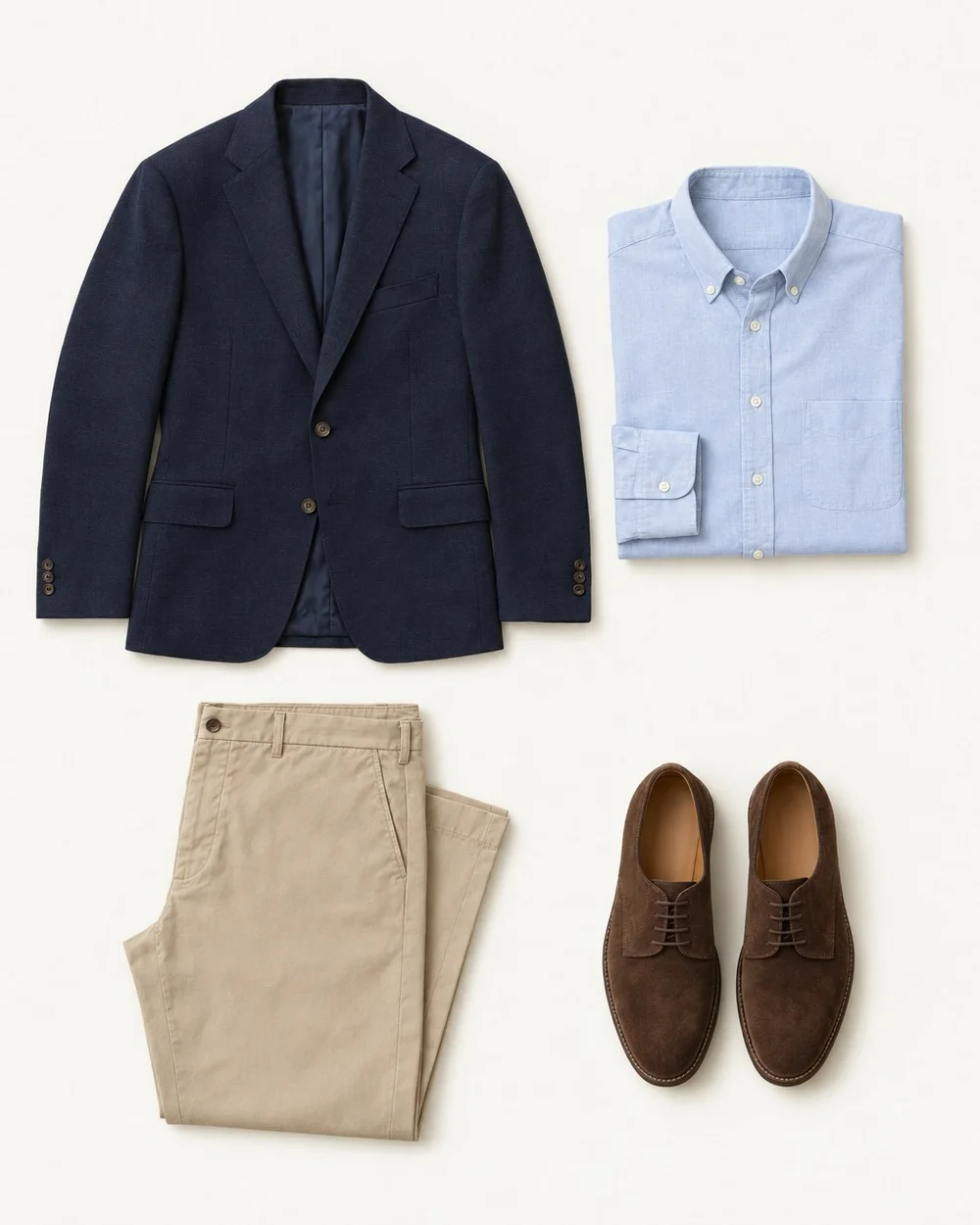
Sneakers may make a commuting day easier, but the useful question is not whether one particular style is universally office appropriate. Start with your workplace expectations and the shoes you already trust. Then decide whether they belong in the full-day outfit, the commute only, or a more relaxed workday.
Separate permission from personal preference
Read workplace guidance and consider the actual tasks ahead. A desk-based team may allow sneakers while a client venue or formal meeting expects different footwear. Jobs with safety or hygiene requirements can need specific shoes. Those requirements matter more than a general styling formula.
When guidance is unclear, ask a manager or organizer about footwear rather than purchasing a pair that looks office-ready online. If you change shoes at work, plan storage and the commute pair as part of the outfit. Carrying two pairs is a logistical choice, not a failure to style the sneakers.
Choose the pair by condition and comfort
Check soles, laces, and visible marks. Follow the shoe’s care guidance before cleaning; materials do not all tolerate the same treatment. Comfort matters too: a neat pair that causes discomfort during your normal walk is not the most practical work choice.
Try the sneakers with the actual socks you will wear. Check for slipping, rubbing, and whether the shoe stays secure on stairs. Familiarity is more useful than a promise that a certain sneaker shape looks polished. You can decide how much contrast you want once the shoes meet the practical needs of the day.
Three wardrobe combinations to test
These examples assume sneakers are permitted. Substitute items from your existing work wardrobe and compare the result with the shoes you ordinarily wear.
| Bottom | Top and layer | Practical check |
|---|---|---|
| Tailored pants | Fine knit and soft blazer | Hem clears the shoe |
| Straight jeans, if allowed | Shirt and cardigan | Denim meets workplace guidance |
| Midi skirt | Simple top and jacket | Comfortable stride and seated fit |
Swipe or scroll to read the full table.
Plan for the meeting and the journey
For a worked example, combine navy tailored pants, a cream knit, a charcoal jacket, and familiar sneakers. Walk with your work bag and check whether the pants catch on the shoe. Sit in the outfit and confirm that the jacket remains comfortable. If a later meeting needs different footwear, write that change into the plan.
Save two distinct versions when you commute in sneakers but wear other shoes indoors. The pants may have different hem clearance, so check both. Keep an appropriate fallback outfit for days with uncertain expectations instead of trying to make one sneaker combination solve every work context. This helps you use comfortable shoes where they fit without creating last-minute decisions.
Common questions.
Do work sneakers have to be white?
No. There is no universal office sneaker color. Choose according to your workplace, existing clothes, condition, and preference. A dark pair may be easier to maintain in some commutes; a light pair may connect with other pieces. Neither color guarantees acceptance in a workplace that excludes sneakers.
Should I buy different sneakers for meetings?
First check whether sneakers are allowed and whether your existing pair works with your meeting outfit. Buying another pair is not necessary if the real issue is dress-code uncertainty or a pants hem that catches. Use the footwear you already own that meets both comfort and setting needs.
Put your wardrobe to work.
Outfit Maker brings your own clothes, useful combinations and everyday plans together. Made for iPhone.
See how outfit planning works