 OUTFIT
Hybrid work can make a wardrobe feel oddly oversized and unprepared at the same time. Office clothes may sit untouched until a last-minute meeting, while home favorites carry nearly every day. The solution is to understand which pieces cross between settings and which truly need a separate role.
Map day types instead of assuming a fixed split
Write down the recurring situations in your current work pattern: home focus days, home video meetings, ordinary office days, and client or team events. Include the commute and any activity immediately before or after work. If your schedule varies, plan for the range you actually encounter rather than an ideal weekly ratio.
Each type should have a reason to exist. Two categories with identical requirements can share the same outfit formula.
Identify shared pieces by comfort and appearance
Try the clothes you already wear at home with your office shoes and layers. Some comfortable trousers, knits, or shirts may work in both settings. Other pieces may be best kept for home because of workplace expectations, condition, or how they feel during a commute.
Avoid assuming that “camera-ready” means only the neckline matters. A complete comfortable outfit can be more practical when you need to stand, answer the door, or leave home between meetings.
Assign the exceptions a clear job
Keep office-specific pieces because they meet an actual need, such as a structured jacket for presentations or shoes suited to a client site. They do not need to dominate the closet if the need is occasional. Store them so you can see their condition and retrieve them easily.
| Piece | Home use | Office use |
|---|---|---|
| Comfortable straight trousers | Focus work and video calls | With shirt, suitable shoes, and optional layer |
| Fine knit top | Easy complete outfit for meetings | Under a jacket or with work-appropriate bottoms |
| Structured jacket | Occasional video presentation if useful | Client meeting or more formal team event |
| Walking shoes | Errands during breaks | Commute or workplace wear where appropriate |
Swipe or scroll to read the full table.
Keep one complete short-notice outfit ready
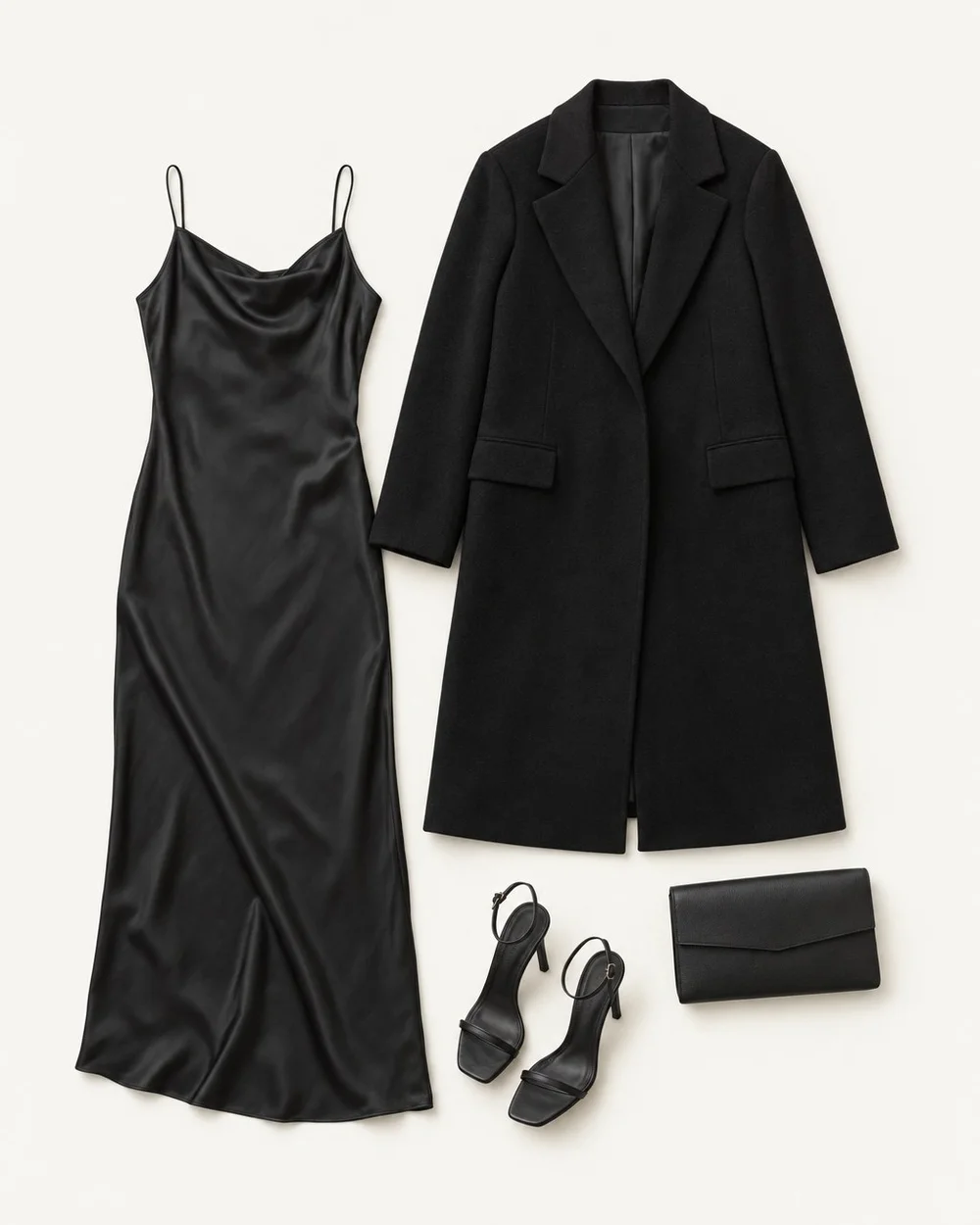
Choose a combination that covers a normal office day and check every part: top, bottom or one-piece outfit, shoes, socks or other essentials, and a useful layer. Keep it ready rather than reserving only a jacket while its supporting clothes remain in the laundry.
For example, a clean shirt, dark trousers, comfortable loafers, and a cardigan might meet your ordinary office needs. If a client meeting requires a different layer, note that single swap. Recheck the outfit when the season or workplace expectations change.
Base care and rotation on wear, not category labels
A top worn through a full home working day may need care even if you never left the house. Conversely, some outer layers can remain ready after inspection. Follow labels and assess the actual garment rather than treating home wear as invisible.
Review your active rotation after your schedule settles. If you are regularly washing the same shared pieces while office-only items sit unused, move more suitable options into the shared group. Keep occasional clothes for real future needs, but do not let them obscure what helps you get dressed now.
Common questions.
Do I need separate outfits for home video meetings?
Only if those meetings have requirements your normal home clothes do not meet. Test the outfit on your actual camera for framing, contrast, and distracting patterns. Choose something comfortable for the full working day rather than maintaining a special top you dislike wearing.
What if my employer changes office days with little notice?
Maintain one complete ready outfit and identify a second combination whose pieces are usually available. Plan your laundry around restoring those options. If the increased office frequency becomes permanent, adjust the active rotation rather than trying to stretch a former one-day setup indefinitely.
Put your wardrobe to work.
Outfit Maker brings your own clothes, useful combinations and everyday plans together. Made for iPhone.
See how outfit planning works