 OUTFIT
Regret often comes from treating every unworn item as the same problem. A shirt awaiting a button, a rarely needed formal outfit, and a souvenir sweater have different roles. You can create space while respecting those differences. Start with a manageable category and make decisions at a pace you can sustain.
Define the space you are trying to improve
Choose a concrete aim, such as making the everyday rail easy to browse or closing an overfilled drawer. That gives the session a useful boundary. A predetermined number of discarded pieces can encourage decisions unrelated to the actual storage problem.
Work on a small area and leave yourself time to put it back in order. Begin with obvious cases, such as damaged items you have already decided cannot be repaired or garments you know you do not want. Set uncertain pieces aside without letting them stall every other decision.
Ask why the garment is not being used
Lack of wear is evidence to examine, not an automatic verdict. Occasion clothes may serve an infrequent but important purpose. A seasonal coat can be unused for months because it is doing exactly what it should. A piece that needs expensive or impractical care raises a different question.
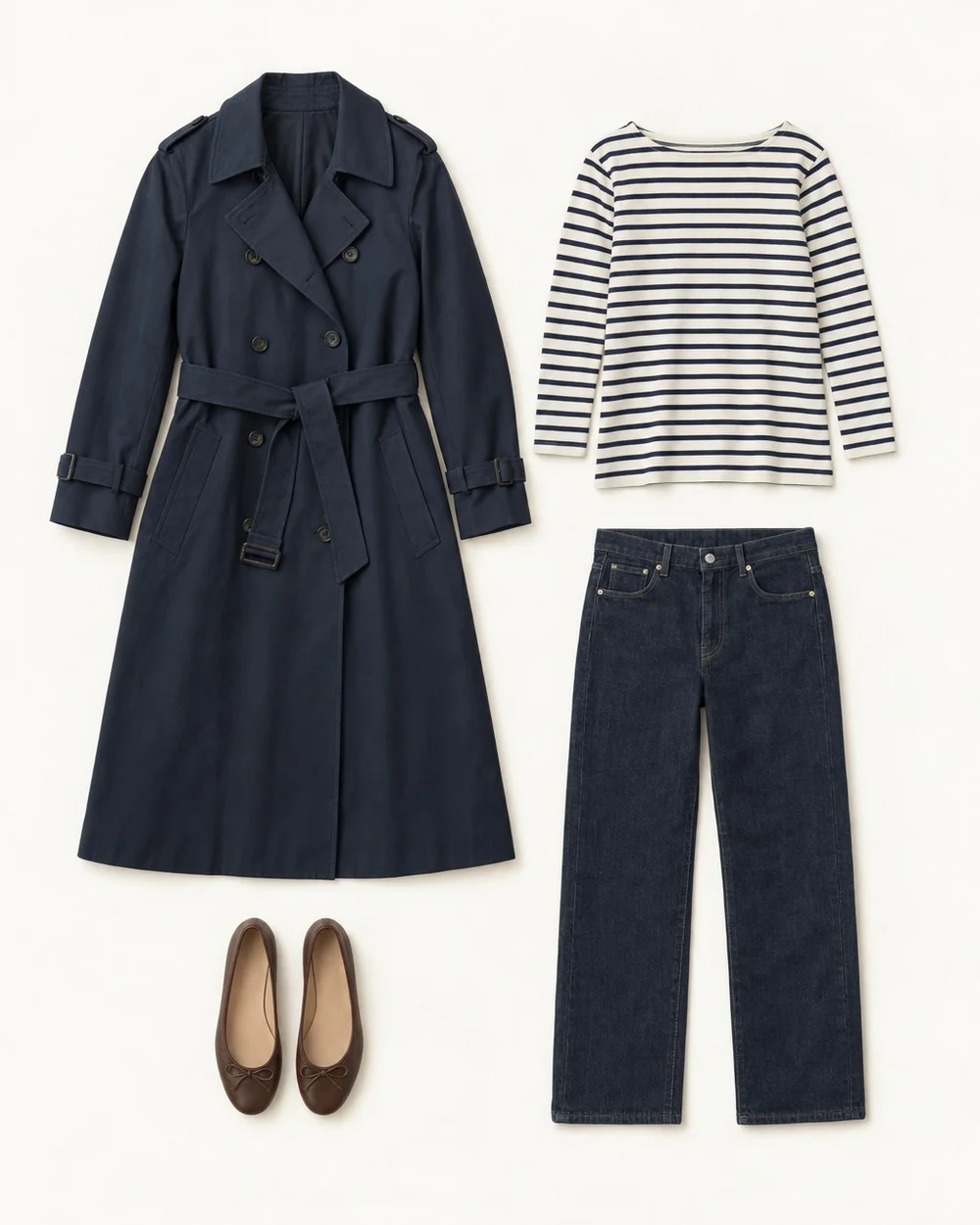
Name the reason, then test whether it is resolvable. If the problem is an unfamiliar pairing, try an outfit. If it is a repair, decide whether you will actually arrange it. Avoid indefinite intentions such as “maybe someday” without a specific role or action.
| Reason for low wear | Useful next step |
|---|---|
| Needs a simple repair | Decide whether and when to arrange it |
| Infrequent occasion | Check condition and replacement difficulty |
| No known pairing | Try one complete outfit |
| Sentimental value | Decide whether it belongs in memory storage |
| Uncomfortable now | Keep outside the active wardrobe while deciding |
Swipe or scroll to read the full table.
Use a review box with a purpose
A review box creates distance without making the final decision immediately. Label it with the contents, the reason for uncertainty, and a revisit date that fits the question. A season-specific garment needs a relevant season to test; an ordinary work shirt may need a much shorter trial.
For example, set aside three tops whose neckline you no longer enjoy, while keeping enough current alternatives accessible. If you retrieve one and wear it comfortably, return it to the active wardrobe. If none earns a role, you have more information for a considered decision. The box should support review, not become forgotten storage.
Choose a responsible destination before removing items
Separate wearable pieces from damaged or soiled textiles. Check the current acceptance rules of any donation, resale, or textile collection service before taking items there. A donation bag is not a useful solution if the receiving organization cannot accept its contents.
Consider the effort of selling realistically. Photographing, listing, communicating, and shipping are tasks; choose that route when the likely benefit is worth it to you. Keep the release area separate from uncertain clothes so a sorting mistake does not send the wrong piece away.
- Confirm the decision for each item before bagging it.
- Check pockets and remove personal belongings.
- Clean items as appropriate to their care labels and destination rules.
- Label donation, resale, and textile collection separately.
Common questions.
Should I keep clothes that do not currently fit?
That depends on storage, emotional comfort, replacement difficulty, and whether keeping them serves a realistic purpose. You can move a limited set out of your daily view without deciding their final fate. Avoid making your active wardrobe a test you must pass before having comfortable clothes to wear.
What should I do with sentimental clothes I never wear?
Decide whether the value lies in wearing them or preserving the memory. A small, intentional memory collection is legitimate. You might photograph a piece, retain one representative item, or store it appropriately. You do not have to discard something meaningful simply because it does not belong in your daily outfit rotation.
Put your wardrobe to work.
Outfit Maker brings your own clothes, useful combinations and everyday plans together. Made for iPhone.
Explore your digital closet