 OUTFIT
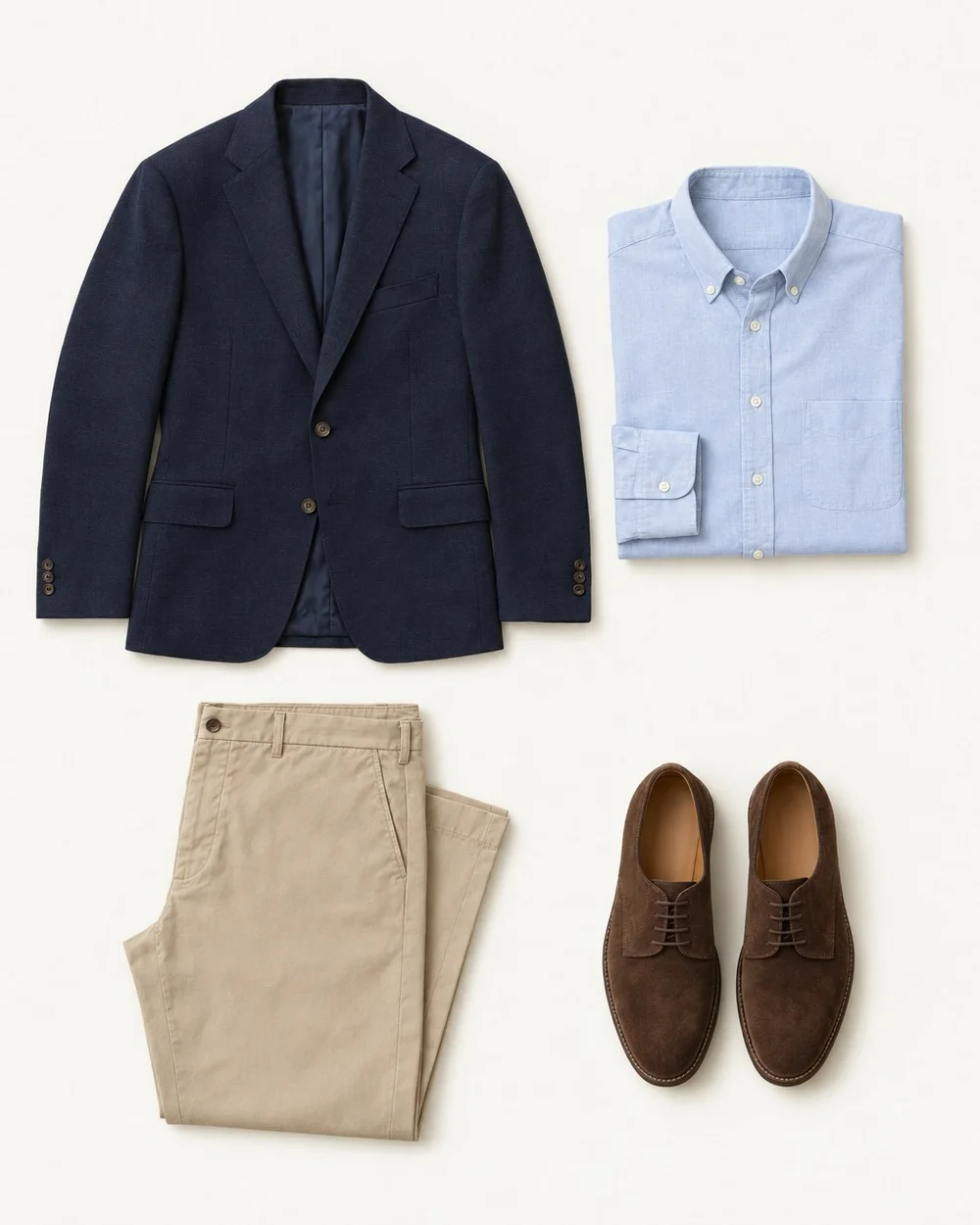
A white shirt can be crisp, soft, oversized, short, or long. Those differences matter more than calling it a wardrobe essential. Work with the shirt you actually own. Its fabric and cut will tell you which combinations are comfortable, and whether it behaves best as a buttoned top or a light layer.
Find the role your shirt handles best
Try the shirt buttoned, partly tucked, and open over an existing tank or T-shirt. Check the buttons while sitting and reaching. If the fabric pulls across the front, wearing it open may be more comfortable than forcing it into a formal role.
Check opacity in daylight and with the lighting you encounter indoors. Choose an underlayer you feel comfortable wearing, rather than assuming white fabric must be fully opaque. Look at the shirt tail too: a long back hem may sit beautifully over narrow pants but bunch under a short jacket.
Build outfits by changing one companion
Keep the white shirt constant while changing the bottom, then add the shoes suited to the activity. These combinations can cover different days without needing six separate sets of accessories.
- Straight jeans, white shirt with sleeves turned back, and walking shoes.
- Tailored pants, buttoned white shirt, and a jacket appropriate to your workplace.
- Midi skirt, softly tucked shirt, and stable flats.
- Linen pants, open white shirt over a tank, and secure sandals.
- Dark jeans, shirt under a fine cardigan, and ankle boots.
- Relaxed shorts, untucked shirt, and comfortable sneakers.
Layer without creating a bulky collar
Under a knit, smooth the shirt’s shoulders and sleeves before adding the outer layer. A generous shirt can gather under a close-fitting sweater, so try a roomier knit or a sleeveless layer instead. Let the collar sit naturally rather than pulling every edge into view.
For a worked example, use a blue cardigan, white shirt, dark jeans, and brown loafers. Button only the shirt buttons you need for comfortable coverage, then compare the cardigan open and closed. If the two button plackets bunch together, leave the cardigan open. The goal is an outfit that stays settled without repeated adjustments.
Make the practical details part of the plan
A white shirt worn to dinner may need different care than one used as a beach layer. Follow its care label and inspect collars and cuffs before planning it for an important day. If it wrinkles easily, decide whether you enjoy that texture or prefer another fabric for a long seated journey.
Save the specific styling detail with your outfit photo: open over a tank, fully tucked, or two cuff turns. Small choices often make the difference between a combination that feels finished and one you keep correcting. A note also helps you reuse the shirt without expecting it to look identical in every setting.
Common questions.
Can an oversized white shirt look appropriate for work?
It can in workplaces where relaxed shirts are accepted. Compare its length and volume with your pants, and check whether it stays tidy when seated. For a more formal setting, use the employer’s guidance and familiar outfits worn in that workplace rather than treating a white shirt as automatic approval.
What if my white shirt becomes creased quickly?
Choose combinations where a softer texture looks intentional, or reserve the shirt for shorter outings. Hang or fold it according to its care needs and follow the label before ironing or steaming. Avoid assuming a high heat setting is safe for every white fabric.
Put your wardrobe to work.
Outfit Maker brings your own clothes, useful combinations and everyday plans together. Made for iPhone.
See how outfit planning works