 OUTFIT
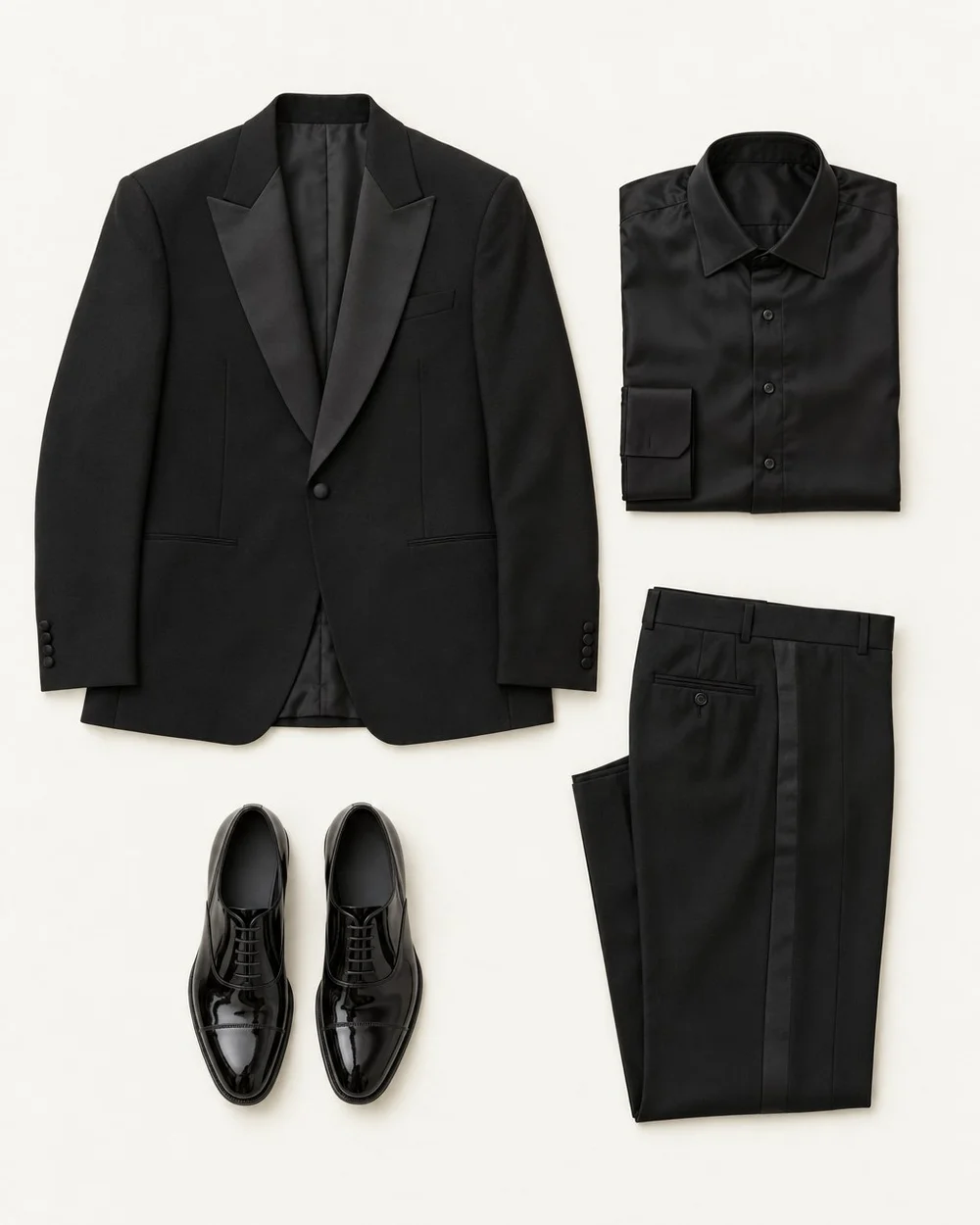
The same trousers and knit might fit both labels in one setting and need different shoes or a jacket in another. Rather than memorize two rigid wardrobes, learn what the labels are trying to communicate and what they leave unstated. That makes it easier to choose from clothes you already own.
Understand what each label is pointing toward
Business casual begins with a workplace context. The relevant question is whether the outfit fits the organization's expectations for your role and activities. Smart casual begins with polished casual dressing, but the intended level can vary widely between a restaurant, a gathering, and a company event.
A written policy, invitation detail, or direct answer from an organizer is more useful than a general rule when the two conflict.
Compare the same pieces across different settings
The difference may lie in their condition, fabric, shape, and the rest of the outfit, as well as the venue. Avoid labeling an item appropriate solely because it is called a blazer or inappropriate solely because it is called a sneaker.
| Piece | In a workplace context | In a polished casual setting |
|---|---|---|
| Dark jeans | Does the office explicitly allow denim? | Does the venue allow it, and does the full look fit? |
| Sneakers | Do policy, role, and safety requirements permit them? | Are they suitable for the event and in good condition? |
| Knit top | Is the fit and coverage appropriate for work? | Does it create the intended level of polish? |
| Jacket or blazer | Is it needed for the role or meeting? | Does it improve the outfit or exceed the event tone? |
| Dress or coordinated separates | Does the complete outfit meet workplace expectations? | Does it suit the venue, activity, and stated guidance? |
Swipe or scroll to read the full table.
Use a familiar base to understand the difference
Consider straight trousers, a plain knit, and loafers. This combination could work for a business casual office and a smart casual dinner, provided both settings accept it. A suitable jacket might adapt it for a more formal meeting; a different layer might make it more comfortable for an outdoor gathering.
Now consider jeans and clean sneakers with the same knit. That might suit a smart casual event or a relaxed office, but the label alone cannot confirm either.
Ask about the uncertain item instead of the whole label
When the guidance is vague, identify the choice that could change your outfit. Ask whether denim is acceptable, whether the event includes an outdoor portion, or whether a client-facing meeting calls for a jacket. A narrow question is easier to answer than “What does smart casual mean?”
If you cannot get clarification, choose a complete option with fewer uncertain elements from your own closet. Favor familiar comfort and good condition, while avoiding the assumption that maximum formality is always safest.
Check the outfit beyond its category name
Once the main requirements are met, try the clothes together. Look at movement, coverage, footwear, and the layers you will actually wear. A correct category label cannot compensate for shoes that hurt or a layer that makes the outfit impractical.
- Read any written requirements and exclusions.
- Identify the setting, role, and planned activity.
- Clarify the one or two items that remain uncertain.
- Try the complete outfit with shoes and outerwear.
- Choose ready garments in condition appropriate to the event.
Common questions.
Are jeans business casual or smart casual?
They can be accepted in either context, or excluded from both at a particular venue or workplace. Check the actual guidance. Where denim is allowed, consider the pair’s condition and how it works with the complete outfit rather than treating all jeans as interchangeable.
Is a blazer enough to turn any outfit into business casual?
No. A blazer adds structure, but the rest of the outfit still needs to meet the workplace’s expectations and practical requirements. Evaluate the shoes, bottom, top, and overall condition together. A single garment cannot override explicit restrictions or safety needs.
Put your wardrobe to work.
Outfit Maker brings your own clothes, useful combinations and everyday plans together. Made for iPhone.
See how outfit planning works